

Buddhist Dhamma : ค้นหาหนังสือธรรมะ หน้า 6 / 35
หน้าหนังสือทั้งหมด
7
Exploring Buddhist Meditation and Its Significance
Preface
Not a month goes by these days without another important article being published on some newly uncovered Buddhist text, and among the discoveries are ancient materials about Buddhist meditati
This preface discusses the ongoing discoveries in Buddhist meditation texts and the efforts of Venerable Phrakrupaladnayokwarawat (Sudhammo Bhikkhu) in promoting scholarly exploration. It emphasizes t
16
Launch of the Journal of the Dhammachai International Research Institute
Introduction
This collection of articles marks the launch of the Journal of the Dhammachai International Research Institute (JDIRI). The articles presented here indicate some of the perspectives on B
This collection of articles marks the launch of the JDIRI, showcasing perspectives on Early Buddhism and meditation studies. The journal aims to publish research on ancient manuscripts and esoteric pr
91
Exploration of Theravāda Buddhist Manuscripts in Sipsong Panna
literature.9 It is notable that the Agama Sutras (阿含经) discovered in the Xishuangbanna region are incomplete. For example, the Hinayana Agama should have contained the Khuddaka Patha (小品), Dharma-phra
The Agama Sutras found in the Xishuangbanna region are notable for their incompleteness. The Hinayana Agama is expected to contain various texts that are partly missing. According to The Complete Coll
121
The Influence of An Shigao on Mindfulness Breathing Meditation in Eastern Han China
In this paper I explore the connections between An Shigao and the introduction of the Indian Buddhist meditation technique of mindfulness breathing meditation, or ānāpānasmṛti, into Eastern Han China.
This paper examines An Shigao's role in introducing the Indian mindfulness breathing meditation technique, ānāpānasmṛti, into Eastern Han China. The phrase「息中具有四大。 而心在中」suggests that the mind should f

156
A ‘New’ Early Chinese Buddhist Commentary
Zacchetti, Stefano. 2008 "A ‘New’ Early Chinese Buddhist Commentary: The Nature of the Da Anban Shouyi Jing (T 602) Reconsidered." Journal of the International Association of Buddhist Studies 31: 421-
This research article by Stefano Zacchetti delves into the nature of the Da Anban Shouyi Jing (T 602), reconsidering its significance in early Chinese Buddhist commentary. The study provides insights
9
Buddhist Unity and Harmony: Insights from Most Ven. Dhammapriya Mahathero
Digest from speech of Most Ven. Dhammapriya Mahathero Abbot, Mahananda Sangharaj Vihara
Vice President of the Supreme Sangha Council of Bangladesh
Founder of Dhamapriya Buddhist Welfare Mission, Kolka
In a profound address, Most Ven. Dhammapriya Mahathero emphasizes the interconnectedness of all beings, portraying them as part of one family, deriving from shared karmic categories. He urges the prop
63
Charumati Buddha Vihar and Buddhist Mission in Nepal
Charumati Buddha Vihar and resident of Charumati Buddhist mission Nepal / วัด จารุมาติวิหาร ประเทศเนปาล
๒๖. โโล่งวัดและใบประกาศเกียรติคุณ จาก Prof. Dr. Mitomo Kenyo / ค.ศ. มิโดเมะ เกนโญ พระมหาเกระระด
Charumati Buddha Vihar in Nepal is notable for its contributions to Buddhism and its recognition with various honors from esteemed Buddhist figures worldwide. This includes accolades from Prof. Dr. Mi
33
Exploring Buddhist Texts and Influence
Bernhard, Franz.
1970 "Gåndhārī and the Buddhist Mission in Central Asia." Ánjali: Papers on Indology and Buddhism: A Felicitation Volume Presented to Oliver Hector de Alwis Wijesekera on His Sixtieth
This collection of works explores the significant contributions to Buddhist scholarship, including analyses of the Gåndhārī texts, the investigation of the Därșanatika, and the characteristics of the
104
The Dhammakaya Tradition and Luang Phaw Wat Paknam
practice of the Middle Way until attaining levels of Buddhist
sainthood according to their potential. All the evidence that
is left by some Buddhist saints is their scriptural testimo-
nies, but some
The practice of the Middle Way leads to various levels of Buddhist sainthood according to individual potential. Luang Phaw Wat Paknam, the prominent monk who discovered the Dhammakaya Tradition, is re

66
สนทนาธรรมเกี่ยวกับนิพพาน
Q&A
สนทนาธรรมแบบสบาย ๆ
โดย : ดวงธรรม
ความหมายของนิพพาน
Q: What religion do you profess?
(คุณนับถือศาสนาอะไรครับ?)
A: Buddhism.
(ศาสนาพุทธครับ)
religlon (n) = ศาสนา
profess (v) = นับถือ
Q: Ohl Are you
Q&A สนทนาธรรมแบบสบาย ๆ โดย : ดวงธรรม ความหมายของนิพพาน Q: What religion do you profess? (คุณนับถือศาสนาอะไรครับ?) A: Buddhism. (ศาสนาพุทธครับ) religlon (n) = ศาสนา profess (v) = นับถือ Q: Ohl Are you
122
Truth for the Family
Part Five: Truth for the Family
physical attempts upon His life. However, they had no
effect on His strong determination. Furthermore, none
of His actions were for personal gain. When offered
valuable
This section emphasizes that the Dhamma teachings are accessible and beneficial to all, promoting personal growth and the possibility of attaining Nibbana. It highlights the importance of practicing D
94
Dhamma Quiz: Path of Progress Project
Dhamma Quiz: Path of Progress Project
W ithin today's trends in society, the environment is full of temptations and exposes our young children to negative influences. Luang Phaw Dhammajayo is very co
The Dhamma Quiz: Path of Progress Project addresses societal challenges and negative influences on children by promoting Dhamma studies. Supported by Luang Phaw Dhammajayo, this initiative helps young
187
The Sacred Formulas of Luang Phaw Wat Paknam
For example, if there were statements about constructing a Dhamma Hall or a monk's shelter soon, then this must happen. In short, the temple must produce results as soon as it can.
Thus, the first sa
บทเรียนจากหลวงพ่อวัดปากน้ำเน้นความสะอาด ความขยันในการสอนธรรม และการฝึกสมาธิเป็นสูตรศักดิ์สิทธิ์ในการสร้างวัด การสอนธรรมแก่ผู้มีศรัทธา รวมถึงการฝึกสมาธิเพื่อเข้าถึงนิโรธและการสิ้นสุดของกิเลส ถือเป็นแนว
113
Discovering Inner Transcendental Bodies
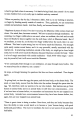
He further discovered that when the mind is relaxed in a standstill state, while resting at the center of the Dhamma Sphere, inner transcendental bodies will emerge, one after another: from coarse hum
This text discusses the emergence of inner transcendental bodies through relaxation at the center of the Dhamma Sphere. As the mind achieves a state of calm and stillness, one can transition through v
86
The Importance of Meditation in Developing Inner Peace
New beings with a Phammasster
is hard to get back when it runs away. It is hard to bring it back into control! So we need to train children from a very early age to meditative and stay centered.
“Whe
การฝึกสมาธิเน้นให้เด็กมีศูนย์กลางทางจิตใจ เพื่อให้ได้สัมผัส Dhamma ที่อยู่ภายใน การปฏิบัติจะช่วยให้เกิดนิสัยที่ดี การทำสมาธิให้ถูกวิธีนั้นสำคัญเพื่อไม่ให้เกิดความปรารถนาทางเพศที่ไม่เหมาะสม เพลิดเพลินใ
24
ธรรมวินัยและการปฏิบัติ
ธรรมวินัย
(Dhamavinaya) the Doctrine and the Discipline; the Norm-Discipline
ธรรมในธรรม
Dhamma in Dhamma
ธัมมจักกัปวัตตนสูตร
Dhammacakkappavattanasutta, the Discourse of setting in motion the Whee
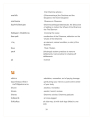
ธรรมวินัยคือ คำสอนและระเบียบปฏิบัติเกี่ยวกับธรรมและศีลธรรม ซึ่งเปิดเผยในธัมมจักกัปวัตตนสูตร หรือการตั้งอยู่ในธรรมครั้งแรก นอกจากนี้ยังมีการกล่าวถึงการนั่งสมาธิและการรู้จักเหตุเพื่อการปฏิบัติที่ถูกต้อง
98
Exploring Sensual Delights and the Six Sense Organs
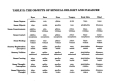
TABLE II: THE OBJECTS OF SENSUAL DELIGHT AND PLEASURE
| | Eyes | Ears | Nose | Tongue | Body Skin
This table presents an intricate overview of the six sense organs in relation to their corresponding objects, consciousness, contact, feelings, registration, volition, craving, thought conception, and
239
Understanding Suffering in Buddhism
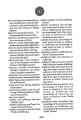
dhammānupassanāsaṭipatthañā dukkhā dukkhā (see the suffering (see mindfulness of mental phenomena in the mental phenomena and also Paṭhama Magga Sphere) Dhammapadāṭhākathā (P. Dhammapada Commentary) d
เนื้อหานี้นำเสนอแนวคิดเกี่ยวกับความทุกข์ในพระพุทธศาสนา รวมถึงการเป็นผู้มีสติในการประจักษ์ทุกข์ การเข้าใจความรู้สึกผิดหวังและความโกรธ ซึ่งเป็นส่วนสำคัญในเส้นทางการพัฒนาทางปัญญาและการปล่อยวาง และการเข้า
103
The Power of Mindfulness
teaching they receive at the temple. If we reach
the truth and guide people in the right way, then
in the end skill in meditation will triumph over
slander. I am not upset by all this controversy
beca
Mindfulness is a practice that involves being fully present and engaged in the moment. This book delves into various techniques for cultivating mindfulness, discussing its profound effects on mental h

77
การเข้าถึงธรรมกายในตัว
(ผู้เจริญภาวนาจะต้องวางใจให้เป็นสมาธินิ่งแนวที่ศูนย์กลางกายของตน มิฉะนั้นก็จะไม่มีทาง
เห็นหรือเข้าถึงธรรมกายในตัวเลย)
....Naturally, there are spheres of Dhamma and bodies nested in succession at the
(ผู้เจริญภาวนาจะต้องวางใจให้เป็นสมาธินิ่งแนวที่ศูนย์กลางกายของตน มิฉะนั้นก็จะไม่มีทาง เห็นหรือเข้าถึงธรรมกายในตัวเลย) ....Naturally, there are spheres of Dhamma and bodies nested in succession at the